I love diving into the world of weapon maker novels. These books blend fantasy, science fiction, and craftsmanship in a way that’s both unique and captivating. You might be wondering, why should you trust my take on this?
Well, I’ve spent a lot of time analyzing and explaining literary genres.
So, what makes weapon maker novels so appealing? It’s the perfect mix of creativity and technical detail. Imagine a story where the protagonist isn’t just a warrior but also a skilled craftsman.
That’s the kind of depth these novels offer.
Do you enjoy seeing characters build and innovate? If so, you’ll find weapon maker novels to be a breath of fresh air. They’re not just about battles and quests; they delve into the art of creation.
And let’s be honest, who doesn’t love a good underdog story where the hero uses their wits and skills to overcome challenges?
Whether you’re a reader looking for your next favorite book or an aspiring writer seeking inspiration, weapon maker novels have something for everyone. They provide a rich, immersive experience that goes beyond the usual tropes.
Ready to explore this fascinating genre, and let’s dive in.
What is a Weapon Maker Novel?
A weapon maker novel is a genre that focuses on the creation and use of weapons. It’s all about the craft and the creators.
These stories often dive deep into DETAILED WORLD-BUILDING. You get to see how the world works, its history, and the cultures that shape it.
Intricate crafting processes are a big part of the narrative. Characters spend time designing, forging, and testing their weapons. This isn’t just a side note; it’s CENTRAL to the plot.
Character development is key. The main characters, usually the weapon makers, go through significant growth. They face challenges, learn from their mistakes, and become more skilled and wise.
I think we’ll see more of these novels in the future. As readers, we love seeing the nitty-gritty details of how things are made. And with the rise of shows like Forged in Fire, there’s a growing interest in the art of weapon making.
So, if you’re into detailed, hands-on storytelling, a weapon maker novel might be right up your alley.
Popular Subgenres and Themes
Fantasy Weapon Makers: In these stories, magic and ancient techniques are at the heart of the narrative. Think blacksmiths who can infuse swords with elemental powers or craft weapons that can only be wielded by chosen ones.
Science Fiction Weapon Makers: Here, advanced technology and engineering take center stage. Imagine a world where weapon makers use cutting-edge materials and AI to create the most powerful and efficient tools of war.
| Subgenre | Key Elements |
|---|---|
| Fantasy | Magic, Ancient Techniques, Elemental Powers |
| Science Fiction | Advanced Technology, Engineering, AI |
Historical and Mythological Influences: Real-world history and mythology often inspire these narratives. For example, Norse myths might influence a fantasy setting, while historical events like the Industrial Revolution could shape a science fiction backdrop.
I have to admit, sometimes it’s hard to draw a clear line between these subgenres. A weapon maker novel might blend elements from both fantasy and science fiction, making it a bit tricky to categorize. But that’s part of what makes them so intriguing.
How to Write a Weapon Maker Novel
Writing a weapon maker novel can be a thrilling and intricate process. It’s all about creating a world that feels real and lived-in.
First, let’s talk world-building. You need to craft a setting where the art of weapon making makes sense. Think about the culture, the history, and the technology.
One author I spoke with said, “The key is to make the world feel like it’s always been there.” That means integrating the weapon-making process into the fabric of your world.
Now, onto character development. Your protagonist, the weapon maker, needs to be someone readers can connect with. Give them depth, flaws, and a compelling backstory.
A friend once told me, “Make sure your characters have a life outside of their craft.” This adds layers and makes them more relatable.
Describing the crafting processes is another challenge. It’s easy to get bogged down in technical details. But remember, you’re writing for an audience, not a textbook. weapon maker novel
Break it down into steps and use vivid, sensory language. For example, instead of saying, “He forged the blade,” you could say, “The hammer rang out as he shaped the glowing metal, sparks flying with each strike.”
Plot and conflict are the heart of any story. The weapon-making journey should intertwine with the broader narrative. Maybe the weapon is crucial to a larger battle, or the maker faces personal challenges that test their skills.
As one writer put it, “The weapon is just a tool, but the story is about the person behind it.”
By balancing these elements, you can create a weapon maker novel that captivates and engages your readers.
Examples of Notable Weapon Maker Novels
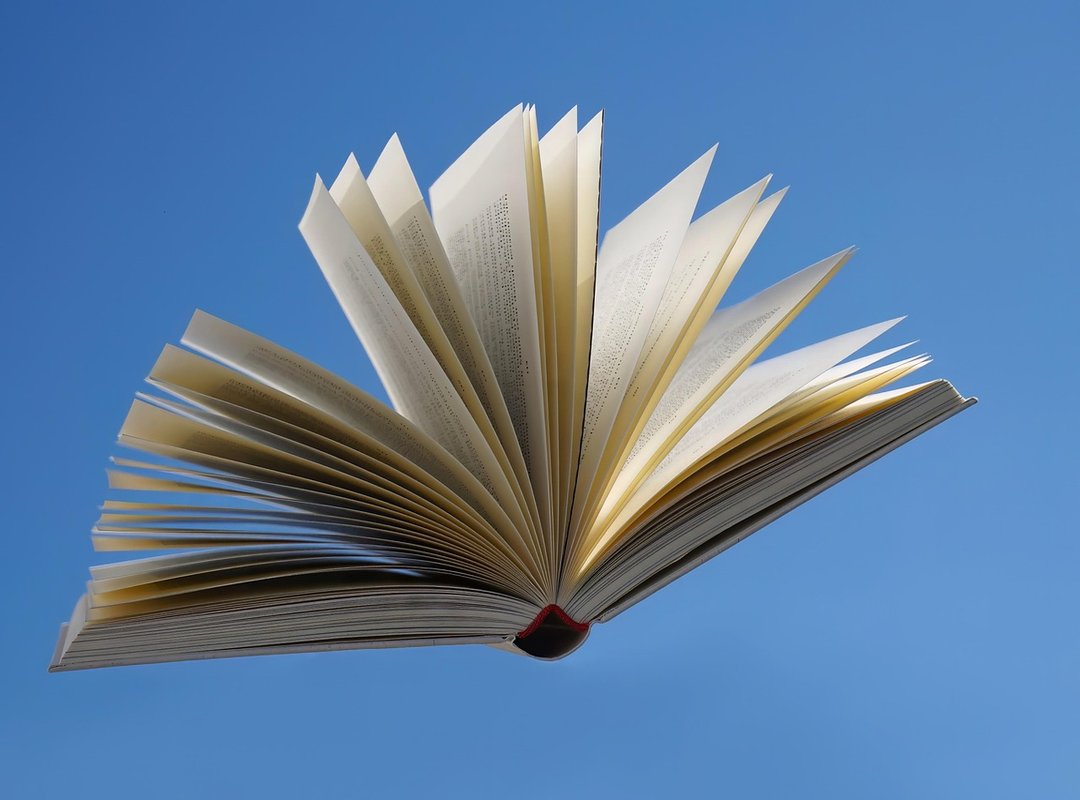
When it comes to weapon maker novels, there’s a rich variety that explores the craft and its impact on the world.
The Blacksmith’s Legacy is a standout. It delves into the life of a young blacksmith who discovers an ancient forge. The novel highlights the intricate process of crafting weapons, blending detailed descriptions with a coming-of-age story.
Another great example is Forged in Fire. This one takes a different approach, setting the story in a dystopian future where weapon-making is both an art and a survival skill. The author does a fantastic job of integrating high-stakes action with the meticulous work of creating weapons.
Lastly, Swords of the Ancients offers a unique take. Set in a fantasy world, it focuses on a group of artisans tasked with recreating legendary weapons. The novel combines elements of magic and history, making the weapon-making process feel both mystical and grounded.
Each of these books showcases how the theme can be explored in diverse and engaging ways.
FAQs About Weapon Maker Novels
Q: What makes a weapon maker novel different from other fantasy or sci-fi books?
A: The focus on craftsmanship and the detailed, technical aspects of weapon making. These novels dive deep into the art and science behind creating weapons, giving readers a unique, immersive experience.
Q: Are there any specific writing techniques to make the weapon-making process more engaging? A: Absolutely, and using sensory details is key.
Describe the sights, sounds, and even smells of the forge. Step-by-step descriptions can also help, but don’t overdo it. Balance is important.
Character-driven narratives add depth, making the process feel personal and relatable.
In a weapon maker novel, the characters’ skills and the tools they use become as central to the story as the plot itself. This approach sets these books apart, offering a fresh and compelling read.
Resources for Aspiring Writers
Books and articles are a great starting point. They offer insights into the craft of writing and can help you understand the specifics of a weapon maker novel.
Some might argue that reading books and articles is a waste of time. They say you should just write and learn as you go. But here’s the thing: knowledge is power.
Understanding the basics can save you from common pitfalls.
Online communities are also invaluable. Forums and social media groups let you share ideas and get feedback.
Sure, some people think these communities are full of criticism and negativity. While that can be true, the benefits often outweigh the drawbacks. Constructive feedback can help you grow as a writer.
So, dive into those resources. Read up, join the conversations, and keep writing.
Mastering the Art of Weapon Maker Novels
A weapon maker novel captivates readers with its unique blend of craftsmanship, action, and character development. Focus on the protagonist’s journey in mastering their craft. Integrate detailed descriptions of weapon creation to immerse the reader.
Balance technical details with engaging storytelling to keep the narrative flowing. Develop a rich world that supports the story, including history, culture, and conflicts. Use these elements to create a compelling and immersive experience.
Encourage readers to explore the genre and start their own creative journey in writing.
 Connie Cardillonero has opinions about investment trends in commerce. Informed ones, backed by real experience — but opinions nonetheless, and they doesn't try to disguise them as neutral observation. They thinks a lot of what gets written about Investment Trends in Commerce, Strategies for Profitability, E-Commerce Finance Insights is either too cautious to be useful or too confident to be credible, and they's work tends to sit deliberately in the space between those two failure modes.
Reading Connie's pieces, you get the sense of someone who has thought about this stuff seriously and arrived at actual conclusions — not just collected a range of perspectives and declined to pick one. That can be uncomfortable when they lands on something you disagree with. It's also why the writing is worth engaging with. Connie isn't interested in telling people what they want to hear. They is interested in telling them what they actually thinks, with enough reasoning behind it that you can push back if you want to. That kind of intellectual honesty is rarer than it should be.
What Connie is best at is the moment when a familiar topic reveals something unexpected — when the conventional wisdom turns out to be slightly off, or when a small shift in framing changes everything. They finds those moments consistently, which is why they's work tends to generate real discussion rather than just passive agreement.
Connie Cardillonero has opinions about investment trends in commerce. Informed ones, backed by real experience — but opinions nonetheless, and they doesn't try to disguise them as neutral observation. They thinks a lot of what gets written about Investment Trends in Commerce, Strategies for Profitability, E-Commerce Finance Insights is either too cautious to be useful or too confident to be credible, and they's work tends to sit deliberately in the space between those two failure modes.
Reading Connie's pieces, you get the sense of someone who has thought about this stuff seriously and arrived at actual conclusions — not just collected a range of perspectives and declined to pick one. That can be uncomfortable when they lands on something you disagree with. It's also why the writing is worth engaging with. Connie isn't interested in telling people what they want to hear. They is interested in telling them what they actually thinks, with enough reasoning behind it that you can push back if you want to. That kind of intellectual honesty is rarer than it should be.
What Connie is best at is the moment when a familiar topic reveals something unexpected — when the conventional wisdom turns out to be slightly off, or when a small shift in framing changes everything. They finds those moments consistently, which is why they's work tends to generate real discussion rather than just passive agreement.