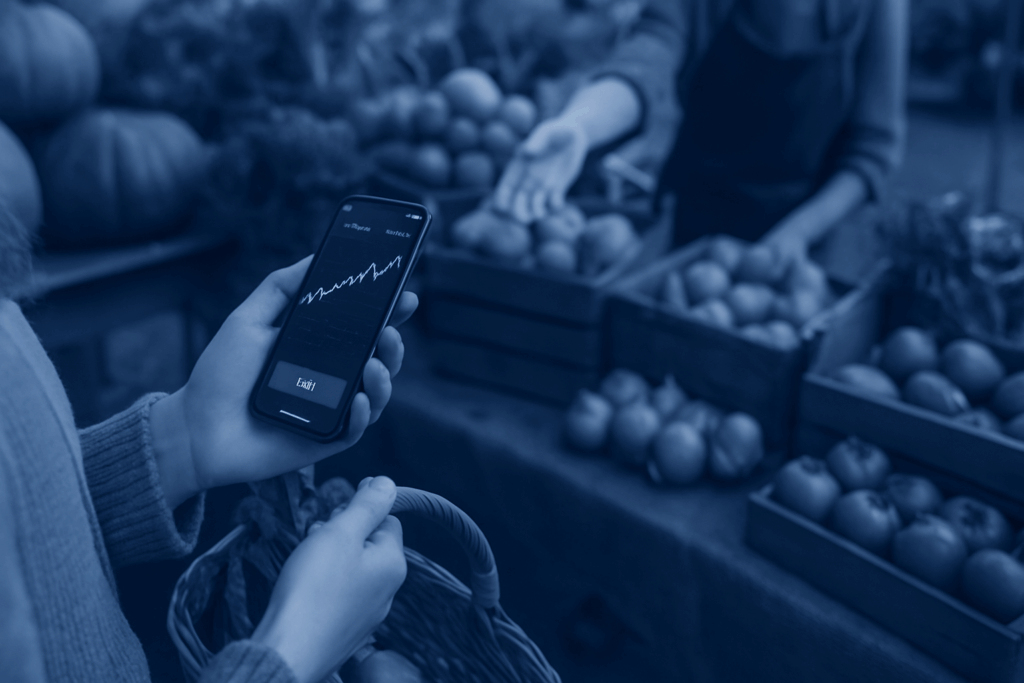

Shoppers Are More Research Driven Than Ever
Today’s consumer doesn’t scroll and impulse buy they dig. They’re reading five reviews, watching three videos, scanning Reddit threads, and checking prices on two other sites before even thinking about clicking “Buy Now.” Trust isn’t assumed anymore it’s earned through clarity, proof, and repetition.
It doesn’t stop with reviews. Comparison tools, side by side specs, affiliate blogs, influencer breakdowns these are all now key parts of the customer journey. And the journey itself? It’s getting longer. Even low stakes purchases like a $30 phone case can involve days of research. Blame choice overload and scam paranoia.
The smart eCommerce stores are catching on. Personalized content is replacing one size fits all pitch lines. Better FAQs and detailed product pages are filling in the blanks buyers are hunting down elsewhere. If your store isn’t helping people make decisions, you’re handing that job off to someone else and possibly losing the sale in the process.
The Mobile First Mentality Keeps Rising
The numbers don’t lie by 2026, more than three quarters of all eCommerce traffic runs through smartphones. It’s no longer a shift; it’s the norm. Retailers that haven’t prioritized mobile experiences are already behind.
The frictionless experience is the new standard. One click checkout, rapid load times, and interfaces that don’t make users pinch and zoom are table stakes now. If there’s a glitch, a popup that won’t close, or just a button too small to tap customers bounce. Fast.
Meanwhile, vertical video is quietly becoming a dominant discovery tool. Platforms like YouTube Shorts and Instagram Reels are where potential buyers stumble upon products sometimes by accident, sometimes by design. Eye catching short form content isn’t just for likes anymore; it’s driving real sales. Brands that can hook users in under 10 seconds are seeing strong returns.
The takeaway: mobile isn’t just a channel it’s the front door. Treat it like one.
Personalization Has Become the Baseline

The days of broad, one size fits all marketing are done. Shoppers now walk into online experiences expecting to see products and offers tailored to them on the first click. If your homepage, emails, or ads feel generic, they scroll past or bounce.
Personalization today is powered by real time behavioral tracking, artificial intelligence, and location aware tech. Platforms know what customers browsed, where they are, what time it is, and what similar people bought and they use it. Smart eCommerce brands fold those insights into dynamic product recommendations, local inventory flags, and geo fenced promotions.
The brands that dig into granular segmentation not just age or income, but habits and intent are the ones building real customer loyalty. Repeat buyers aren’t a fluke; they’re a result of feeling seen.
Want to see how trend data feeds into this strategy? Check out Using Google Trends and Search Data for eCommerce Insights.
Rising Demand for Ethical, Transparent Brands
Consumers aren’t just buying products they’re buying values. In 2026, shoppers are putting their dollars behind brands that stand for something beyond profit. Whether it’s eco friendly packaging, fair wage labor, or supply chains that don’t hide behind vague sourcing claims, people want the receipts. And if they don’t find the answers fast, they move on.
This shift is especially strong among Gen Z and Millennials. They’re reading the fine print. They’re asking where materials come from and how returns are handled. Easy to find ethical practices and honest policies now carry weight equal to price or product specs. Trust isn’t assumed anymore; it’s earned and often double checked on social media.
Brands that stay vague or greenwash are being called out, sometimes publicly. Meanwhile, companies that lead with transparency think clear carbon impact reports, socially responsible sourcing, and refund policies that don’t feel like a battle are building real loyalty. It’s not a trend. It’s the new baseline.
Frictionless Returns and Instant Gratification
Speed and simplicity aren’t perks anymore they’re expectations. If a store can’t ship fast or makes returns a hassle, shoppers are already moving on. The data is clear: fast shipping and easy returns drive conversions. People want to get what they want, when they want it, and know they can send it back without jumping through hoops.
More brands are stepping up. Same day delivery is growing in urban areas, while flexible pickup and drop off options are spreading beyond major cities. Whether it’s lockers, partner locations, or doorstep exchanges convenience is currency.
Consumers have little patience for clunky logistics. Long wait times, vague tracking, or rigid return windows now cost more than just a sale they cost trust. For 2026 and beyond, streamlined shipping and stress free returns aren’t just logistics they’re part of the value prop.
What This Means for eCommerce in 2026
Retailers stuck in their old ways won’t make it to the next chapter. The market is too fast, too unpredictable. Strategies that worked five years ago set it and forget it, broad strokes marketing, clunky backends are now liabilities. Consumer behavior is evolving monthly, sometimes weekly, and eCommerce teams need to move with it.
Agility is the new edge. That means flexible tech stacks that can pivot fast. Content that speaks directly to real, evolving audience needs. Platforms and logistics that are modular, not monolithic. The brands that win aren’t the ones trying to ride every hype wave they’re the ones watching closely, testing quickly, and doubling down only when the data backs it up.
It’s not about doing everything. It’s about doing the right things on time, with purpose, and with the flexibility to shift when the signal says so.
 Connie Cardillonero has opinions about investment trends in commerce. Informed ones, backed by real experience — but opinions nonetheless, and they doesn't try to disguise them as neutral observation. They thinks a lot of what gets written about Investment Trends in Commerce, Strategies for Profitability, E-Commerce Finance Insights is either too cautious to be useful or too confident to be credible, and they's work tends to sit deliberately in the space between those two failure modes.
Reading Connie's pieces, you get the sense of someone who has thought about this stuff seriously and arrived at actual conclusions — not just collected a range of perspectives and declined to pick one. That can be uncomfortable when they lands on something you disagree with. It's also why the writing is worth engaging with. Connie isn't interested in telling people what they want to hear. They is interested in telling them what they actually thinks, with enough reasoning behind it that you can push back if you want to. That kind of intellectual honesty is rarer than it should be.
What Connie is best at is the moment when a familiar topic reveals something unexpected — when the conventional wisdom turns out to be slightly off, or when a small shift in framing changes everything. They finds those moments consistently, which is why they's work tends to generate real discussion rather than just passive agreement.
Connie Cardillonero has opinions about investment trends in commerce. Informed ones, backed by real experience — but opinions nonetheless, and they doesn't try to disguise them as neutral observation. They thinks a lot of what gets written about Investment Trends in Commerce, Strategies for Profitability, E-Commerce Finance Insights is either too cautious to be useful or too confident to be credible, and they's work tends to sit deliberately in the space between those two failure modes.
Reading Connie's pieces, you get the sense of someone who has thought about this stuff seriously and arrived at actual conclusions — not just collected a range of perspectives and declined to pick one. That can be uncomfortable when they lands on something you disagree with. It's also why the writing is worth engaging with. Connie isn't interested in telling people what they want to hear. They is interested in telling them what they actually thinks, with enough reasoning behind it that you can push back if you want to. That kind of intellectual honesty is rarer than it should be.
What Connie is best at is the moment when a familiar topic reveals something unexpected — when the conventional wisdom turns out to be slightly off, or when a small shift in framing changes everything. They finds those moments consistently, which is why they's work tends to generate real discussion rather than just passive agreement.